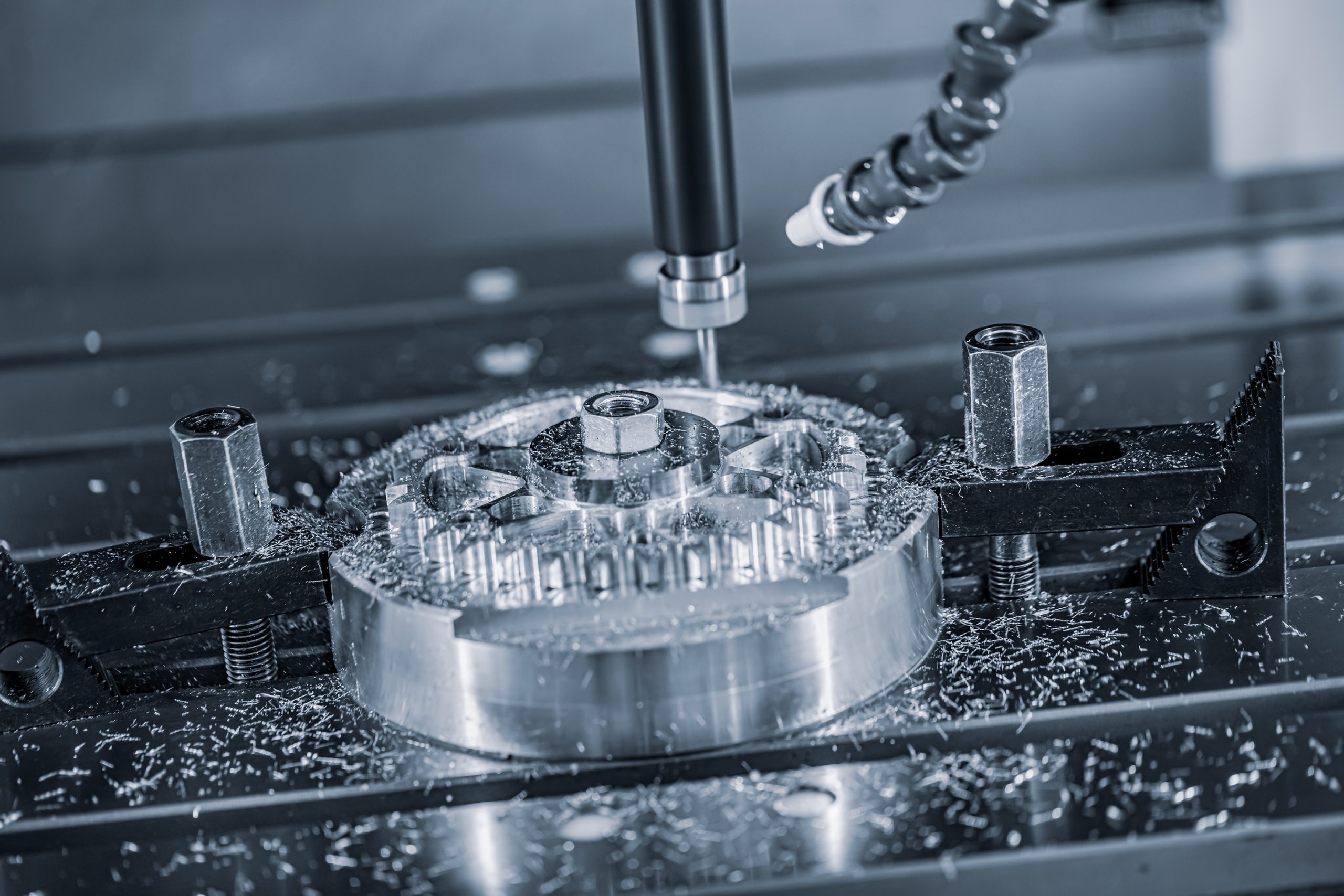
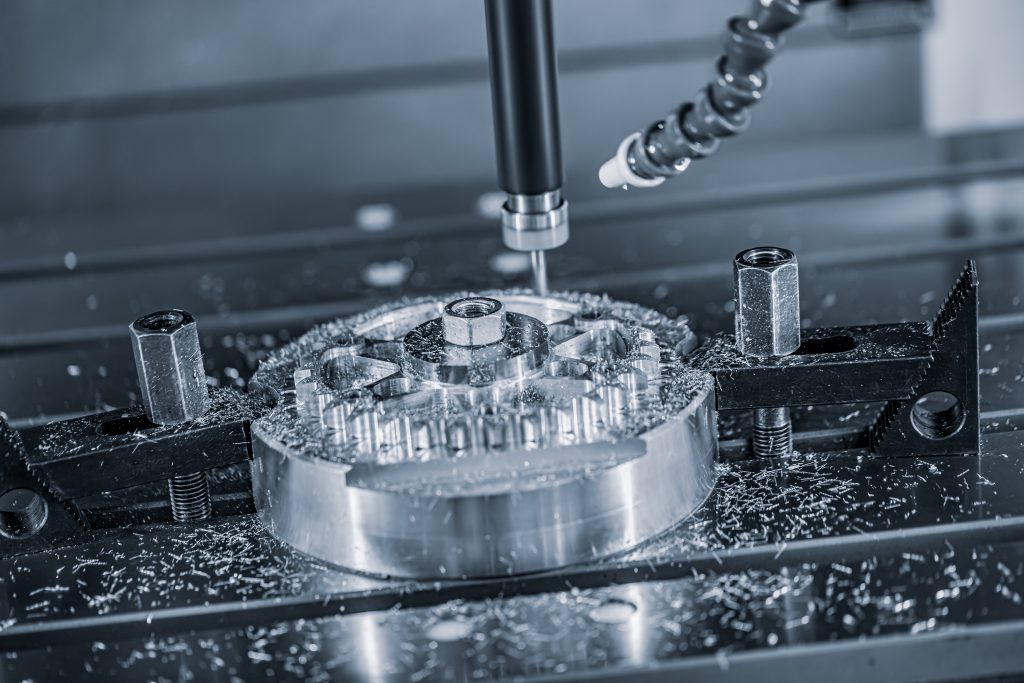
If you’ve ever searched “what is a CNC machine”, chances are you’re trying to understand how modern manufacturing creates parts with such precision, consistency, and speed.
A CNC machine, short for Computer Numerical Control machine, is a computer-controlled manufacturing machine that cuts, shapes, drills, or forms materials with high precision.
Instead of a person manually operating the machine, the machine follows programmed instructions to manufacture parts accurately and repeatedly.
What Does CNC Stand For?
CNC stands for Computer Numerical Control. This means a machine is controlled by a computer using coded instructions.
- Where to move
- How fast to move
- How deep to cut
- Which tool to use
- What sequence to follow
How Does a CNC Machine Work?
1. Design
The process starts with a digital design using CAD software.
2. Programming
The design is converted into machine instructions using CAM software.
3. Machine Setup
The operator loads the material, tools, fixtures and workholding.
4. Machining Begins
The machine follows the programmed instructions and begins cutting, milling, turning or drilling.
5. Inspection
The finished part is checked for dimensions, tolerances, surface finish and quality.
Types of CNC Machines
CNC Milling Machines
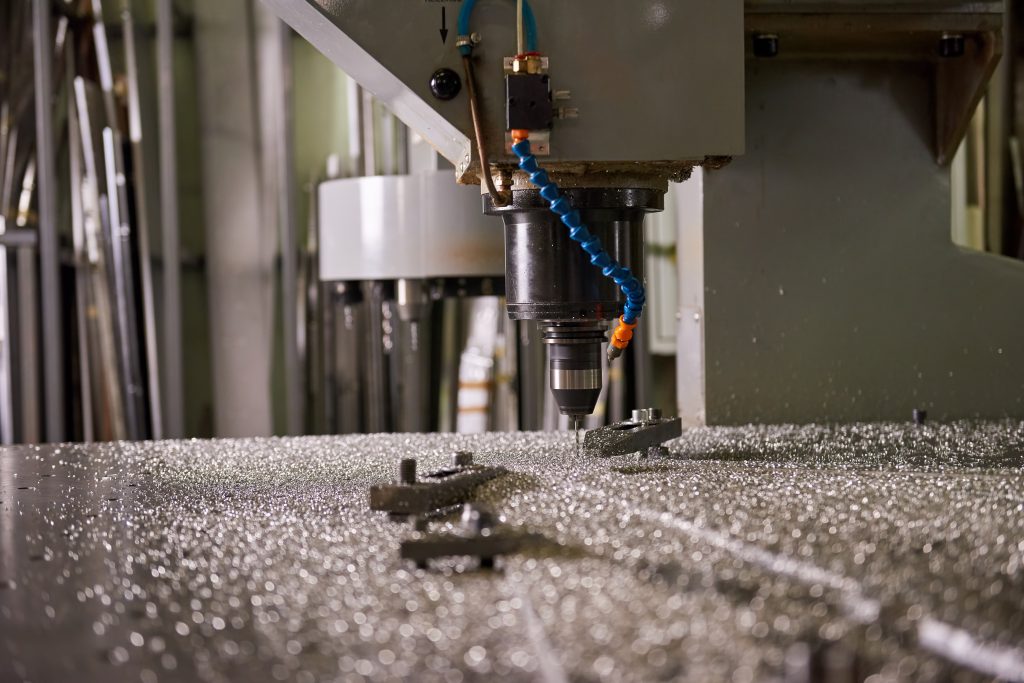
A CNC milling machine uses rotating cutting tools to remove material. It is ideal for flat surfaces, slots, holes and complex shapes.
CNC Turning Machines
CNC turning rotates the material while the cutting tool shapes it. It is best suited to cylindrical components such as shafts, pins and bushes.
3 Axis CNC Machines
A 3-axis CNC machine moves along the X, Y and Z axes. It is commonly used for simpler components and efficient production work.
5 Axis CNC Machines
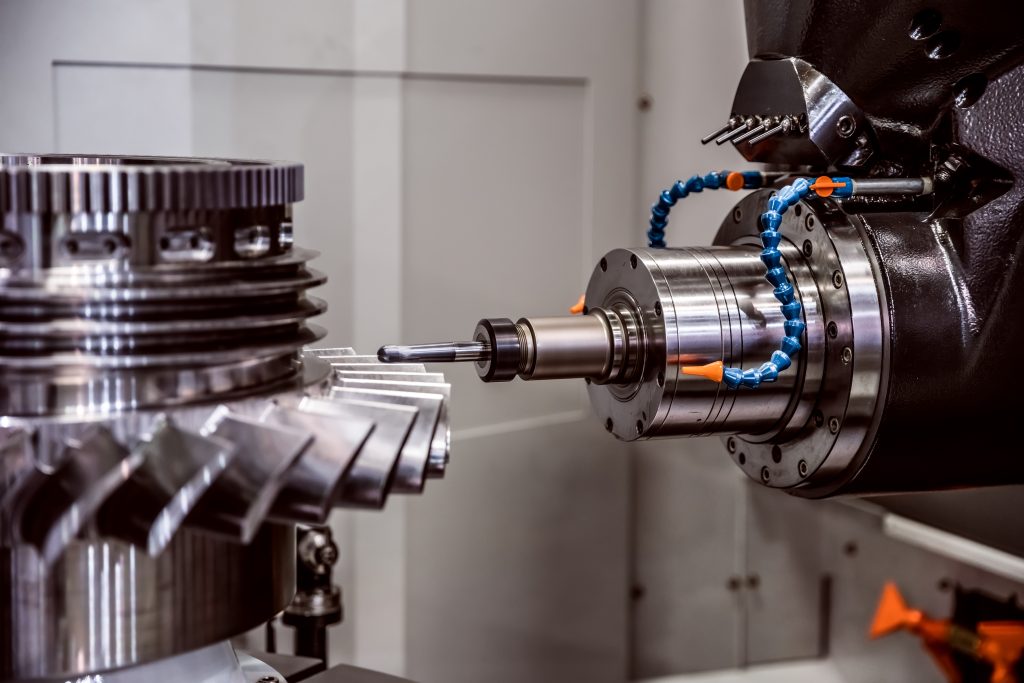
A 5-axis CNC machine adds extra rotational movement, making it suitable for complex parts, angled features and advanced engineering components.
Wire EDM Machines
Wire EDM, also known as wire erosion, uses electrical discharge to cut hard materials with exceptional precision.
What Materials Can CNC Machines Cut?
| Material Type | Common Examples | Typical Uses |
|---|---|---|
| Metals | Aluminium, mild steel, stainless steel, brass, copper, titanium | Engineering parts, brackets, tooling, production components |
| Plastics | Nylon, acetal, PTFE, acrylic | Lightweight parts, prototypes, bushes, specialist components |
| Specialist Materials | Tool steels, alloys, engineering plastics | High-performance parts, tooling, precision applications |
What Is CNC Machining Used For?
- Aerospace: brackets, housings and precision components
- Automotive: engine components, gear parts and custom parts
- Medical: surgical tools, devices and precision instruments
- Manufacturing: jigs, fixtures and production tooling
- Construction and fabrication: brackets, fittings and bespoke parts
CNC Machining vs Traditional Machining
| CNC Machining | Traditional Machining |
|---|---|
| Computer controlled | Manually controlled |
| High precision | Operator dependent |
| Excellent repeatability | Less consistent on repeat work |
| Suitable for complex parts | More limited for complex geometry |
| Efficient for batch production | Often slower for repeat parts |
Common CNC Machining Misconceptions
“CNC machines run themselves”
Not quite. Skilled engineers are still needed to programme, set up, inspect and optimise the machining process.
“CNC machining is only for large companies”
False. CNC machining is used for prototypes, replacement parts, repairs and small batch production as well as high-volume manufacturing.
“CNC machining is always expensive”
The cost depends on the material, complexity and quantity. For repeat parts, CNC machining can often reduce the cost per component.
When Should You Contact a CNC Machining Company?
You should contact a professional CNC machining company if you need:
- Prototype parts
- Repeat production runs
- Components with tight tolerances
- Engineering advice
- Replacement parts
- Support choosing the right machining process
At UK CNC Ltd, we help businesses across Sheffield, Rotherham, Chesterfield and Doncaster choose the right machining method based on budget, tolerance and production requirements.
Finding CNC Machining Near Me
Searching for “CNC machining near me” usually means you need reliable communication, practical engineering advice, realistic lead times and a trusted local supplier.
For businesses in Sheffield, Rotherham, Chesterfield and Doncaster, working with a local CNC machining company can make it easier to discuss drawings, check requirements and keep production moving.
Final Thoughts
A CNC machine is one of the most important tools in modern manufacturing. It allows businesses to create accurate parts, repeatable components, complex geometries and production tooling.
Whether you need CNC milling, CNC turning, 3-axis machining, 5-axis machining or Wire EDM, understanding the right process is the first step.
If you’re planning a machining project, contact UK CNC Ltd to discuss your drawings, tolerances and production requirements.
FAQs
What is a CNC machine used for?
CNC machines are used to manufacture precision components from materials such as metal and plastic.
What does CNC stand for?
CNC stands for Computer Numerical Control.
What is the difference between CNC milling and CNC turning?
CNC milling uses rotating cutting tools. CNC turning rotates the material while the cutting tool shapes it.
Are CNC machines accurate?
Yes. CNC machines can achieve very tight tolerances when programmed and set up correctly.
Can CNC machines cut steel?
Yes. CNC machines regularly machine mild steel, stainless steel and tool steel.
Is CNC machining expensive?
It depends on the part complexity, material and quantity. Batch production often reduces the unit cost.
What industries use CNC machining?
CNC machining is used in aerospace, automotive, medical, manufacturing, construction and general engineering.
How do I find CNC machining near me?
Look for an experienced local engineering company with proven machining capabilities, clear communication and reliable lead times.